


+
Maggie Abrego believes strong fundraising is not built on charisma or a single major gift. It is built on systems, culture, and the steady work of getting the foundation right. As Youth INC's new Chief Development Officer, she brings twenty years of experience helping organizations do exactly that -- walking into organizations where development teams run on shadow spreadsheets and donor insight lives in one person's memory, then building the foundation that changes it.
She arrives at a pivotal moment for Youth INC with a a rare combination of operational expertise and frontline fundraising experience, having worked on campaigns with goals as large as $6 billion. As the organization deepens its investment in its Nonprofit Partners, it is advancing on two fronts: the Partner Impact Fund, with an aim to provide catalytic grants with wraparound coaching and connections; and a virtual learning platform designed to extend Youth INC's training, peer learning, and professional development to more staff and board members within partner organizations. Funding that work, cultivating the relationships that sustain it, and shaping the revenue strategy to carry it forward are central to Maggie's charge.
We sat down with her to talk about what drew her to Youth INC, how she approaches building a strong development operation, and what it takes to build a fundraising strategy that supports long-term growth.
You have spent twenty years building fundraising programs at organizations of very different sizes and stages. What were you looking for in your next chapter, and what made Youth INC the right fit?
The mission drew me in first. In fundraising, your job is to translate the work in a way that resonates with funders, and that requires real conviction. If I don't believe in it, that comes through.
But it was the fit that convinced me. When I saw this role, an established organization entering a new chapter of growth, I realized this is the kind of venture I could lead. Most Chief Development Officers come up through closing major gifts. I came up through operations. I have done frontline fundraising throughout my career, but my focus has always been on building the systems and foundation that make fundraising sustainable. That combination is still relatively rare in this field, and it is part of what made this role feel so aligned.
I also understand the work Youth INC does from a place that is not abstract. Earlier in my career, I was often the only development person in an organization. I know what it takes to build a fundraising program without a team or a system behind you. So when I look at how Youth INC supports nonprofit leaders and staff in building stronger organizations, I see the value firsthand. I didn't just build systems at larger institutions. I know what it feels like not to have them.
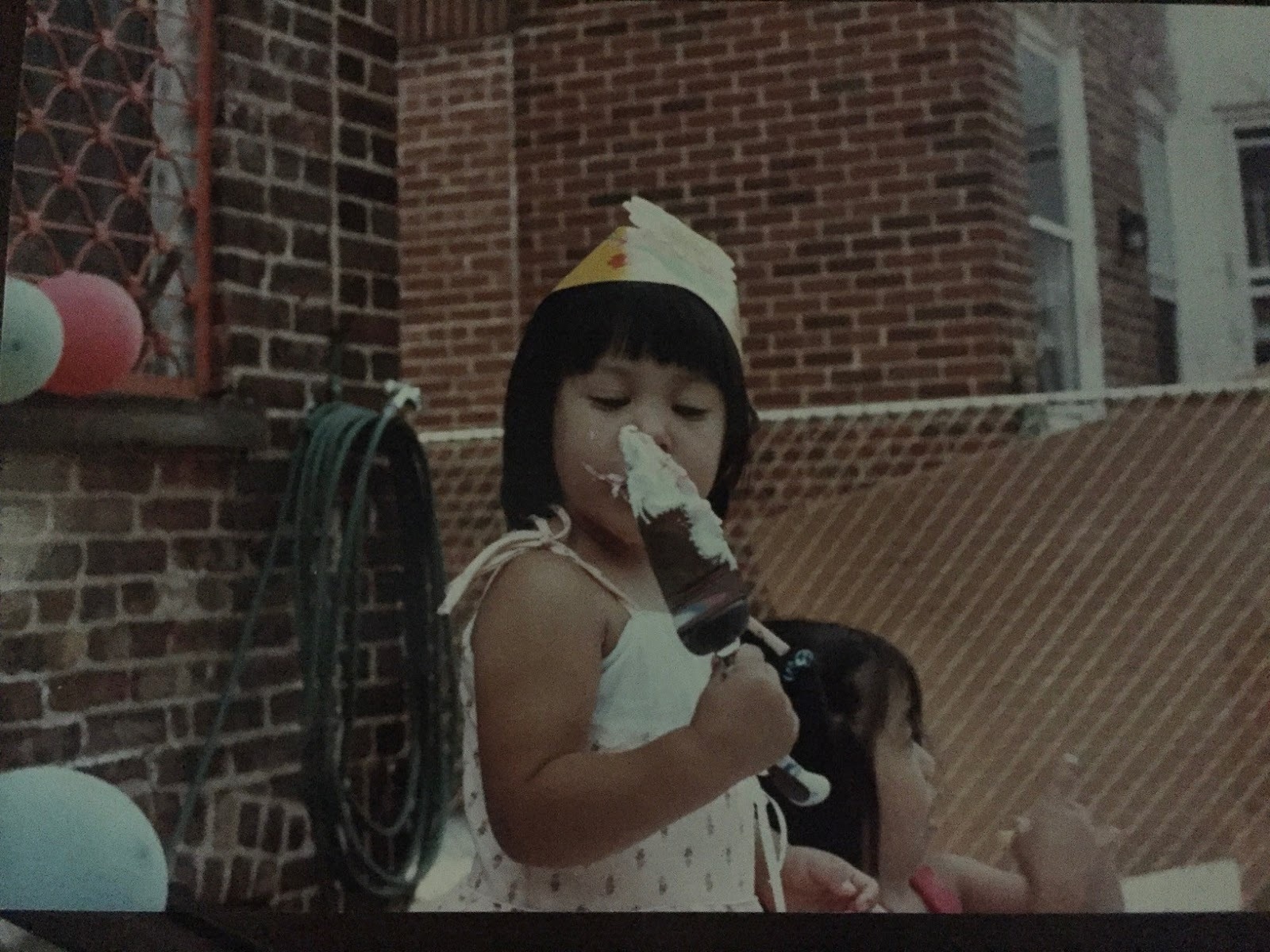
And beneath that is something more personal. I grew up in an underresourced community in New York City. I was zoned to a school outside my own neighborhood, and even as a child, I could see the gap — who had access to resources and who didn't. I know what it means when a young person gets that access. It can change the trajectory of a life. That is the work Youth INC supports, and it is personal for me.
What excites you about being the person responsible for funding that work?
I have been on both sides of this work, inside the organizations that need support and inside the institutions that provide it. The ability to be the person who helps fund that connection, who helps make sure the resources reach the organizations closest to young people, their families, and their communities, excites me. For me, it brings together lived experience, mission, and the chance to help build something that lasts.
What does it take to build a development operation that works, not just for donors, but for the whole organization?
There is something fitting about a capacity-building organization investing in its own operations. We hold ourselves to the same standard we bring to our Nonprofit Partners. And for me, it starts with the foundation. A lot of times, people think the answer is finding the next big funder. And that can help, temporarily. But if the foundation is not strong, just like a house, nothing built on top of it will hold.
In my first weeks, I have been focused on understanding the team’s strengths and opportunities, what we are trying to accomplish, and where the gaps are. We are moving from a transactional, event-driven model to a relationship-based model, with revenue from multiple streams. To do that, the machinery has to work. The tools have to be in shape. People need clarity on their roles and training on best practices.
It does not matter how sophisticated an organization is; there is always room for improvement. I have walked into well-resourced shops and found teams pulling from different spreadsheets, which means cultivation gets fragmented before it starts. So the first step is always analysis: mapping workflows, cleaning data, clarifying ownership, and making sure the team can execute well. Not the most exciting conversation at first glance, but it creates the conditions for everything that follows, which helps unlock potential new funders, so truly, it is exciting.
When you get that right, the payoff is real. What used to take a week can take an hour. That gives people the bandwidth to craft stronger messages, deepen donor relationships, and spend more time on the conversations that move the work forward. You are clearing away the roadblocks that keep people from the highest-value work.
That operational foundation is also what carries an organization through difficult moments. I have worked through the market crash in 2008, COVID, year-end surges, and major shifts in the funding landscape. You automate what you can so that you have room for what cannot be automated: building trust, supporting staff, and having the conversations that matter most. The goal is to make sure urgency does not crowd out the time and care those things require.
How do you think about building the people on your team, not just the processes?
I did not expect this to become the part of the work I care about most. But investing in people, helping them think more strategically, feel more confident, and take ownership of their work, changes everything.
One reason I center education and information sharing is that it creates a more strategic environment. I like to lead meetings where people contribute ideas, challenge assumptions, and surface ideas worth revisiting. Someone who has worked for years may notice something important that others miss. That only happens if people feel safe enough to speak up.
It also matters to model that I do not have every answer. We need to build our bench by connecting with peers at other organizations and by picking up the phone to ask a colleague how they handle something. The more people learn, the stronger the work becomes.
When you invest in people that way, a cycle starts. You mentor your team, they grow, and then they become mentors within their own work streams. They start showing up for others the way you showed up for them. That builds confidence, and it does not stay on one team. It shapes how the whole organization shows up.
That matters externally too. Donors can tell when a team believes in its work. Internal culture shows up in every external-facing conversation. That is not a soft consideration. It is a strategic one.
You have talked about a "culture of philanthropy." What does that mean in practice?
It means fundraising belongs to the whole organization, not just the development team.
When teams across an organization are siloed, people make assumptions about each other's work. Fundraising is reduced to events or asks when, in reality, it is about stewarding trust and building relationships over years, not months. When colleagues across the organization understand that, the work changes.
The development team's partnership with programs is a good example. When I have strong relationships with colleagues leading programs, I can speak with depth and specificity about their work. And even better, I can give them the platform to speak about it themselves. When a donor hears about a transformative project from the person who led it, it lands differently than when they hear it secondhand. Program staff carry a contagious passion for the work, and creating space for donors to hear it directly is one of the most powerful things a development team can do.
A culture of philanthropy also requires time. Fundraising is not a faucet that flows on demand. It takes sustained investment in relationships, and it takes time for people across an organization to see that. But when they do, when they understand how relationships are built and how philanthropy supports the whole organization, the work becomes more connected.
The long game is what keeps an organization steady when conditions shift -- when funding landscapes change, when a crisis reshapes how you operate, and when year-end pressure spikes. The teams and processes you build in steadier seasons are what carry you through.
Many nonprofits cast a wide net with donors. What is your approach?
I start with shared values. When I talk with someone who has come to an event or been introduced through a board member, one of the first things I want to understand is: what part of Youth INC's work excites them? That tells me what motivates them, but it also tells me what they understand about our work, which is valuable information in its own right.
What matters is what we do with what we hear. And this is where relationship building and infrastructure have to work together. If we learn something meaningful in a conversation, we need a way to capture it, share it, and act on it. A great conversation with a donor means nothing if the insight stays in one person's head. The system has to hold it.
What do you want Youth INC's board, supporters, and Nonprofit Partners to know about the road ahead?
I would start with gratitude. Over more than 30 years, Youth INC's board, supporters, and Nonprofit Partners have all helped build this organization into what it is today. The board saw something important and invested in it. Our supporters created real momentum, especially within the finance community. And our Nonprofit Partners have shaped our work, opening their doors to us, trusting us with their challenges, and helping us understand what meaningful support looks like in practice.
The next step is building on that foundation. We have an opportunity to protect what is distinctive about Youth INC while also widening the circle of people who feel connected to this work and invested in its future. That means continuing to deepen existing partnerships while also building a broader, more diverse base of support over time. That growth matters not only for revenue, but for resilience. The broader and stronger the community of support, the better positioned we are to sustain the work and grow it responsibly.
And across all of these groups, board, supporters, and Nonprofit Partners, reciprocal information sharing is essential. Are we delivering what people need from us? Do supporters feel their philanthropic investment is being stewarded well? Do Nonprofit Partners feel we are showing up for them in the right ways? Those are questions worth continuing to ask, because strong leadership depends on being willing to listen and learn.
Last question — what gives you energy outside of this work?
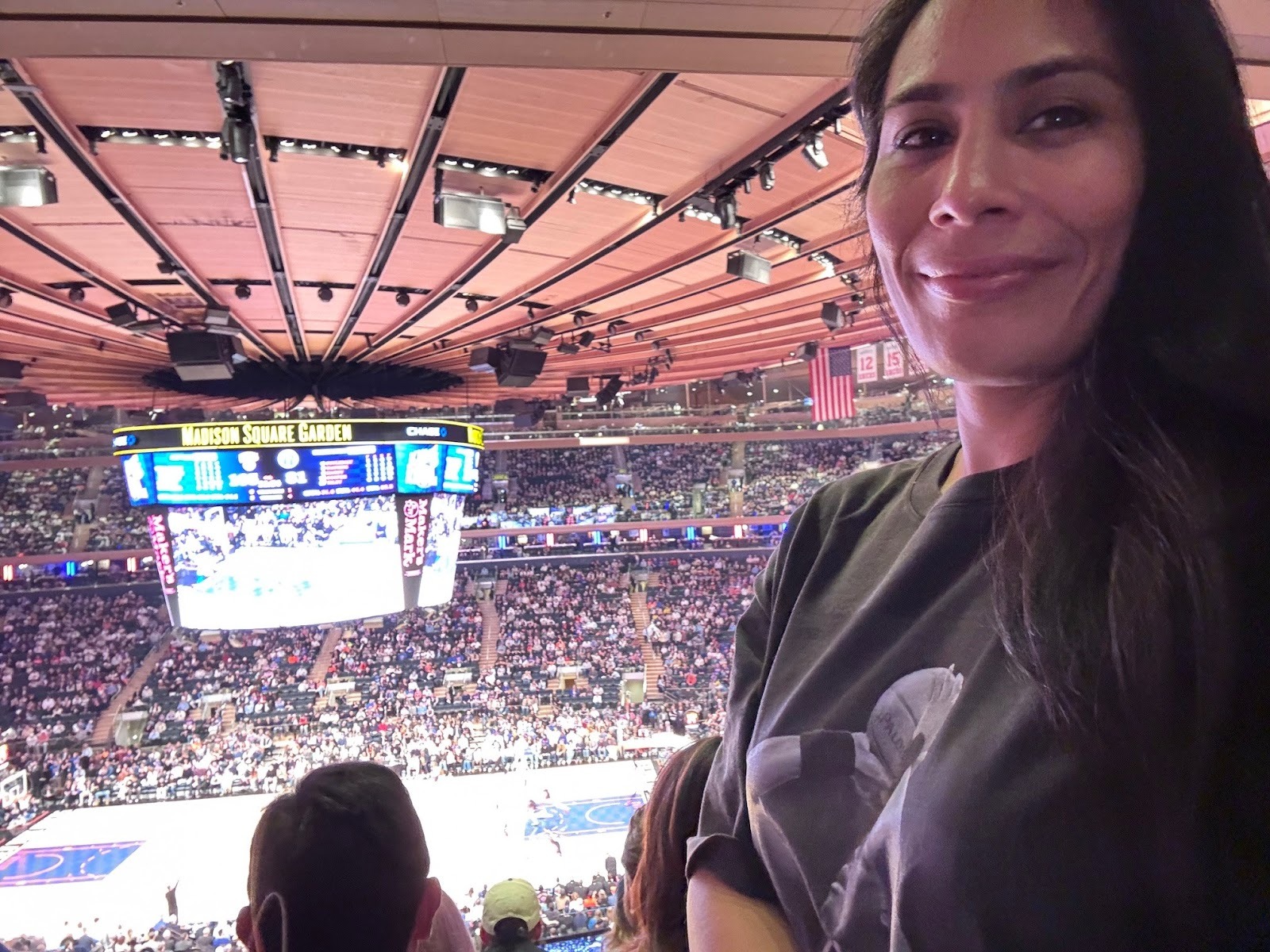
The New York Knicks. That is number one.
Beyond that, I am an optimistic person. I prioritize self-care, and for me, that looks different every day. Yesterday, it was an extra piece of chocolate and the couch. Today it will probably be a long walk. I listen for what I need in the moment and give myself permission to respond to it without judgment.
The same thing is true of this work, honestly. Some days, the job is a spreadsheet. Some days, it is a conversation that changes how someone thinks about giving. You show up for both.
Maggie Abrego can be reached at mabrego@youthinc-usa.org.


