


+
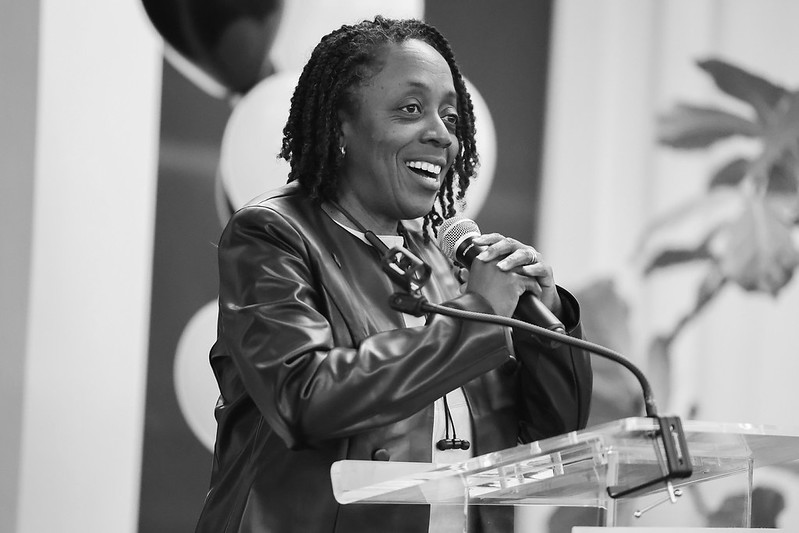
The first-time executive director inherited an organization with less than a month of cash reserves, a looming deficit, escalating costs, and a school-partnership pipeline weakened by budget cuts. Within a year, she had raised twelve months of cash reserves, kept programming intact for schools that couldn't pay, and reduced the deficit. In year two, the same board that had approved her predecessor's spend-down of the cash reserve began questioning her remote work arrangement.
That wasn't in the job description. And it isn't a one-time story. Too often, nonprofit boards hire executive directors into organizational conditions they have not fully named, then evaluate those leaders as though they created the instability they inherited.
For the past three years, through coaching and sustained conversation with executive directors across a network of youth-serving nonprofits, I have heard leaders describe what they have walked into, what they built, and what no one told them when they took the job. What I have learned is that too many organizations offer only a partial view of the institution they are being asked to run. The full picture, including board dynamics, financial fragility, staffing constraints, and unwritten expectations, arrives later.
The job an executive director is hired to do and the job they walk into are seldom the same.
Recruitment processes often name the mission, budget, headcount, and strategic plan. They less often name what actually determines whether a leader can succeed: board vacancies, donor relationships held almost entirely by the outgoing executive director, program models that cost more to deliver than current funding supports, outdated staffing structures, and cash-flow patterns that require constant management.
These are not unusual circumstances. They are present in a significant share of small and mid-size nonprofits, and are precisely the problems boards exist to address. Instead, they fall to incoming leaders, often before the board itself has fully named what it is transferring.
The roots, however, run deeper than any one organization. The nonprofit sector has been asked to do more with less for so long that workarounds have become the operating model. Boards built for an earlier era of philanthropy have not been asked to evolve at the pace the work requires. Recruitment processes are designed to fill a seat, not to disclose what the seat entails. Funding cycles reward the appearance of stability over the slower work of building it.
The decisions we made years ago as a sector are not sustainable in today's economy. Funding is shifting. Staffing is constrained on both ends — organizations cannot hire at the levels the work demands, and they cannot retain staff because salaries have not kept pace with the cost of living. Boards engage deeply in some seasons and step back in others, often without acknowledgment that the work has not paused.
These realities do not fall evenly. The sector has changed who it asks to lead far faster than it has changed what that role demands of them, and it lands most directly on leaders of color. According to the Building Movement Project’s Race to Lead findings, BIPOC representation in executive director roles has remained under 20% nationally for more than 15 years. Within Youth INC's Nonprofit Partner Network, it is over 40%, and even there, where the field has come furthest on representation, what a leader inherits has not changed to match.
That gap matters because appointing more executive leaders of color is not the same as building organizations designed to support their success. Too often, they step into the same masked challenges and spend their first months in crisis. Time after time, they have shown the tenacity to overcome and thrive. But tenacity is not a substitute for transparency, governance, and support.
The scrutiny that follows is part of the same pattern. The hoops they must clear to prove they can defend not just what they decided but why. Hiring and firing decisions are questioned. Strategic choices are met with suspicion instead of curiosity. This questioning isn't reserved for first-time executive directors. Seasoned, qualified, capable professionals describe it too. For women of color and leaders with multiple identities, the scrutiny is layered. Race, gender, and sexuality compound in ways that shape how their decisions are read and how much room they have to lead.
Coaching is where these patterns first become visible. Surveys and field scans tell us what is happening. Coaching tells us how it is happening — the specific moment a leader feels unsupported, the decision they delay because they do not have a trusted thought partner, the board dynamic they hesitate to name aloud, the financial reality they are expected to manage without context.
One coaching engagement surfaced a pattern that wouldn't appear in any survey. An executive director was working through a chronic funding gap created by board members who had made pledges and not fulfilled them. Other board members were unwilling to hold their peers accountable. The executive director was filling the gap with operating funds, creating a deficit they were then expected to explain. With support, the executive director developed a strategy and a plan to address the pledge dynamic and presented it to the board. The board chair stopped the conversation before it could move forward. The fallout landed on the executive director, and the organization remained in the same vulnerable position it had been in before the plan was raised.
What coaching surfaced wasn't the funding gap. It was the governance failure underneath it. In a confidential relationship with a coach who has done the work themselves, leaders raise what they would never put in a survey. What surfaces is consistent and structural.
When the executive director navigates misalignment between the board and staff, the ultimate cost is that the nonprofit's work no longer meets the needs of the community it serves. And right now, those needs are growing. Within Youth INC's Partner Network, we have seen a 72% increase in demand for our partners' programs over the past 12 months; the median increase of youth served has risen from 1,000 in 2025 to 1310 in 2026. Without these youth-serving programs, young people in the community would not have places to go after school, forcing parents to make difficult decisions about their work and their child's care.
Burnout is another cost. Youth INC has seen an increase in executive leadership transitions, with 52% of Nonprofit Partner executive directors holding their positions for fewer than 5 years in 2026 with 10% of the partners seeing an executive transition over the last 12 months. We are losing experienced leadership faster than we are developing new leaders, at the very moment that demand for services is rising.
This moment is an opportunity to build new bridges between the community, the nonprofit, and the board that governs it. When boards fully understand that a major part of their role is to support the organization's leadership in getting the best impact and outcomes, the work changes.
Boards can start before the hire is made. Every executive transition should include written expectations for the first 6 and 12 months, a clear review process, disclosure of financial conditions and staffing realities, clarity about gaps in board composition, and a six-month recalibration once the leader has seen what the role requires.
Unwritten expectations don't belong in the role. An executive director should not be quietly held accountable for diversifying the board because they themselves are a person of color. They should not be expected to absorb cultural translation work that is not named in the offer letter. They should not discover, six months in, that the board's appetite for change is smaller than suggested. These unwritten expectations set a leader up to fail, and the cost is carried by the organization and the community it serves.
When the executive director is supported by the board chair and the full board, a culture of trust is established, and that trust shows up in the nonprofit's work.
Executive coaching is one part of the answer. It isn't the only part, and it isn't sufficient on its own.
Boards and funders need to move this conversation from acknowledgment to action.
Build the conditions for transparency before they are hired. Listen without defending. Check your defensiveness, your preconceptions, your assumptions at the door. Take what you hear back to the rooms where funding decisions get made and where board recruitment happens. Set up an executive transition fund — many organizations need support that goes beyond coaching, including executive search firms, transition planning, and consultants who specialize in leadership transitions.
For emerging leaders considering this work: pay attention to the conditions, not just the title. Ask about the board. Ask about the staffing structure. Ask what is unwritten. The right organization will respect those questions.
For the executive director I opened with, the one who raised a year of cash reserves and was then questioned on her remote work arrangement, the year-two conversation should have looked different. A board that had built transparency before her hire would have been asking different questions: What did we fail to disclose? What support should we provide? What conditions must change so this leader is not asked to solve inherited instability alone?
The work ahead is not only to find strong leaders. It is to build organizations that are honest, resourced, and accountable enough to let those leaders succeed.


